The Hidden Cost of Systems That Do Not Work Together
For many route selling and distribution companies, technology decisions are often made to solve immediate operational problems. A new mobile app may improve deliveries. A separate warehouse tool may streamline inventory. A routing platform may optimize schedules.
Individually, each solution may appear helpful. But over time, disconnected systems can create a much larger operational issue: fragmentation.
When mobile tools, route applications, and ERP systems do not fully integrate, companies often end up managing work across disconnected platforms, spreadsheets, duplicate entry processes, and manual workarounds. What starts as a quick operational fix can eventually create long-term inefficiencies across the business.
That is why ERP integration matters more than standalone features.
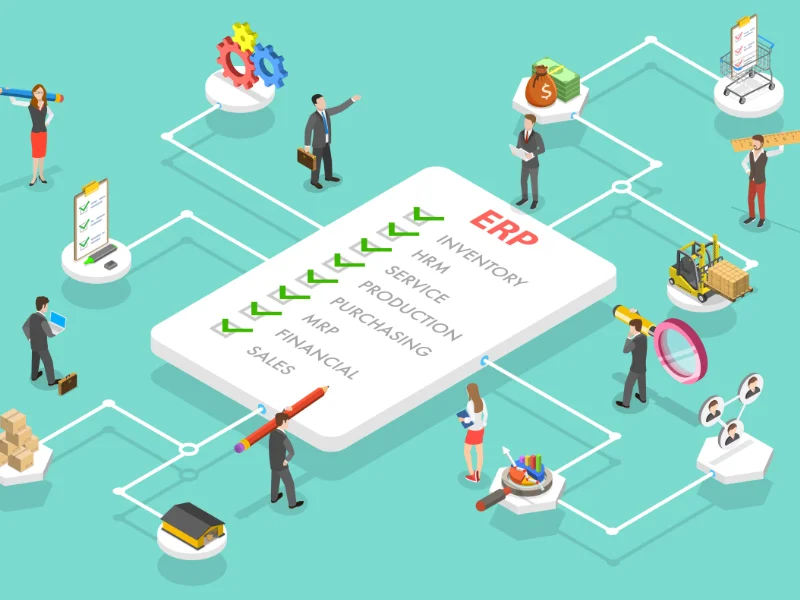
The Reality of Disconnected Operations
As businesses grow, technology stacks often grow with them. New systems are added to solve specific problems without always considering how they will communicate with the rest of the operation.
The result can look something like this:
- Delivery data lives in one system
- Customer information exists in another
- Inventory updates happen manually
- Drivers rely on paper notes or side processes
- Office teams spend time rekeying information into ERP
At first, these issues may feel manageable. But as transaction volume increases, disconnected workflows begin creating operational strain. The challenge is not always the ERP itself. Often, it is the layer surrounding ERP.
Why Integration Matters More Than Features
Standalone applications often focus heavily on feature lists:
- More dashboards
- More customization
- More niche functionality
But if those features operate outside the ERP ecosystem, the business may still struggle with accuracy, visibility, and efficiency. A feature only creates value if the information flows reliably across the organization.
Without proper integration:
- Teams work from different data
- Errors increase
- Processes slow down
- Visibility becomes inconsistent
Eventually, ERP stops functioning as a true source of operational truth.
What Poor Integration Actually Looks Like
Integration problems are not always dramatic. In many cases, they show up as small operational frustrations that compound over time.
Common Signs Include:
- Duplicate data entry
- Delayed invoicing
- Inventory discrepancies
- Route information not syncing correctly
- Drivers relying on manual workarounds
- Reports that require spreadsheet cleanup
- Teams questioning which system has the “correct” information
These issues impact more than productivity. They affect customer confidence, operational decision-making, and the ability to scale efficiently.
The Mobile Layer Is Often the Biggest Gap
ERP systems are designed to centralize operations, but route selling and delivery execution happens in the field, through mobile technology.
If the mobile platform:
- Does not fully integrate with ERP
- Syncs inconsistently
- Requires manual reconciliation
- Relies on disconnected workflows
Then the operational gap widens quickly. This becomes especially visible in route-based environments where:
- Transactions happen continuously throughout the day
- Drivers need real-time information
- Orders, invoices, returns, and payments must stay synchronized
In these situations, disconnected mobile systems create friction at every level of the operation.
Why This Matters More as Operations Grow
At smaller volumes, teams can often compensate for disconnected systems through manual effort. As operations scale, that becomes increasingly difficult.
More routes, more drivers, and more transactions introduce additional complexity. Small integration issues become larger operational problems:
- More reconciliation work
- More missed information
- More delays between field activity and ERP updates
- More pressure on office staff
What once felt manageable can quickly become unsustainable.
What Strong ERP Integration Should Actually Do
Strong ERP integration should reduce operational friction, not create more of it. A connected mobile platform should allow companies to:
- Capture transactions directly in the field
- Sync information automatically with ERP
- Eliminate duplicate entry
- Maintain consistent customer and inventory data
- Support real-time operational visibility
Most importantly, integration should feel seamless to both drivers and office teams. When systems work together properly, operations become more dependable, scalable, and easier to manage.
How XMC Approaches ERP Integration
XMC is built specifically for route selling and distribution operations that rely on ERP-connected workflows. Rather than operating as a disconnected standalone application, XMC works directly with Sage and Acumatica ERP environments to support synchronized mobile execution in the field.
XMC helps companies:
- Capture transactions in real time
- Sync delivery, sales, and inventory information directly with ERP
- Reduce duplicate entry and manual reconciliation
- Support offline workflows without sacrificing data integrity
- Maintain visibility across mobile and back-office operations
The goal is not simply adding another application into the process. It is creating a more connected operational environment where mobile execution and ERP remain aligned.
Integration Supports Long-Term Growth
Technology decisions made today affect operational flexibility later.
Systems that do not integrate properly often create limitations as businesses grow:
- More manual work
- More disconnected processes
- More operational complexity
Companies evaluating mobile platforms should not focus only on feature lists. They should also ask:
- Will this scale with our operation?
- Will this reduce or increase manual work?
- Will the ERP remain accurate and reliable?
- Will our teams trust the data?
Those answers matter long after implementation.
Bottom Line
Standalone features may solve individual problems, but disconnected systems often create larger operational challenges over time. For route selling and distribution companies, strong ERP integration plays a critical role in maintaining accuracy, visibility, and efficiency across the business.
The right mobile platform should not operate beside ERP. It should work with it.
When mobile operations and ERP remain connected, businesses are better positioned to scale, adapt, and operate with confidence.